Earth ON
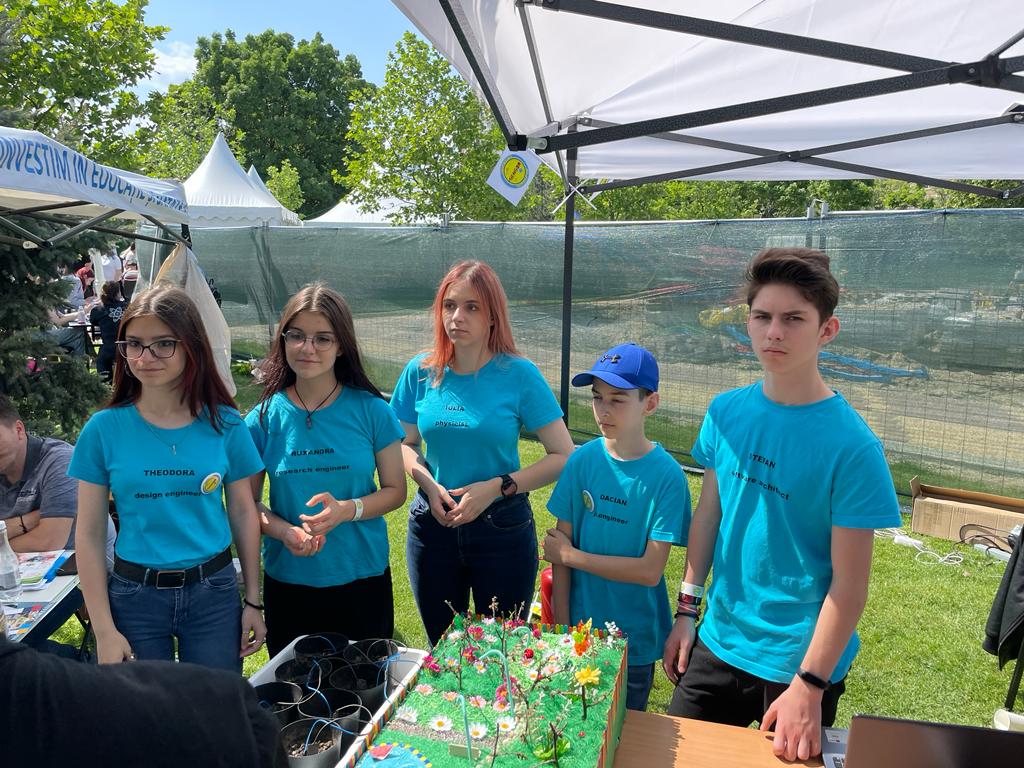
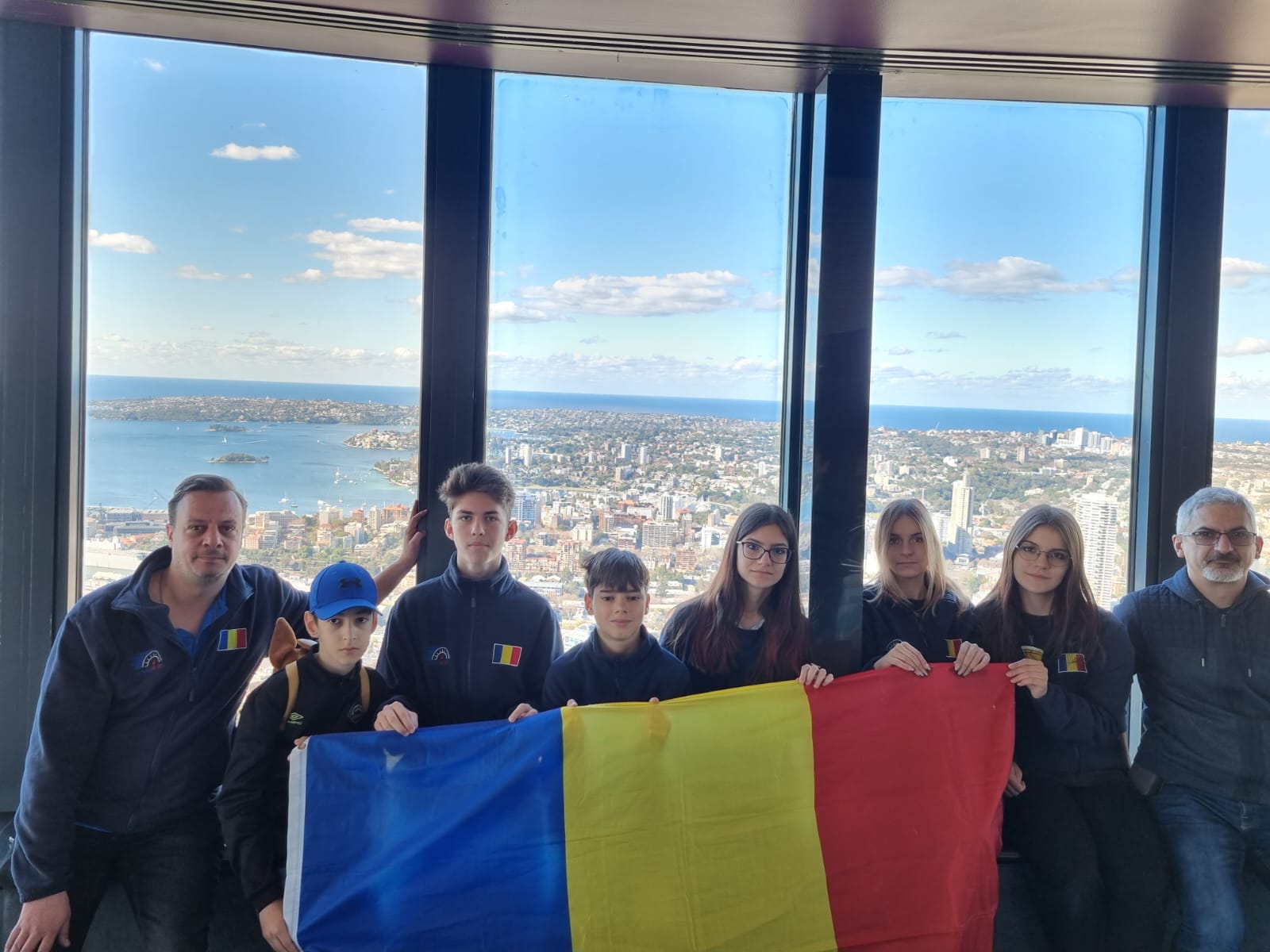
Team: Dacian Andrei 11 yo, Stefan Paici 12 yo, Radu Petrescu 13 yo, Theodora Gorovei 15 yo, Ruxandra Gherman 16 yo, Iulia Lumpan 17 yo
Awards: 1st Place Innovation Project, First Lego League National Stage, Romania, 02.04.2023.
Contact: inventikasensoron@gmail.com
Welcome, everyone, to the world of Earth ON! Today, we're going to take you on an exciting journey through our research, insights, experiments and how we discovered a sustainable light (illuminating) solution for public spaces. So, let’s dive in!
We started our journey with thorough research, learning from energy experts at the INCAS – Romanian Hogwarts for Aerospatiale Construction. We discovered fascinating facts about composite materials and wind turbine mechanisms, unlocking new possibilities for sustainable lighting. Here we are in the official magazine of INCAS.
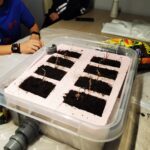
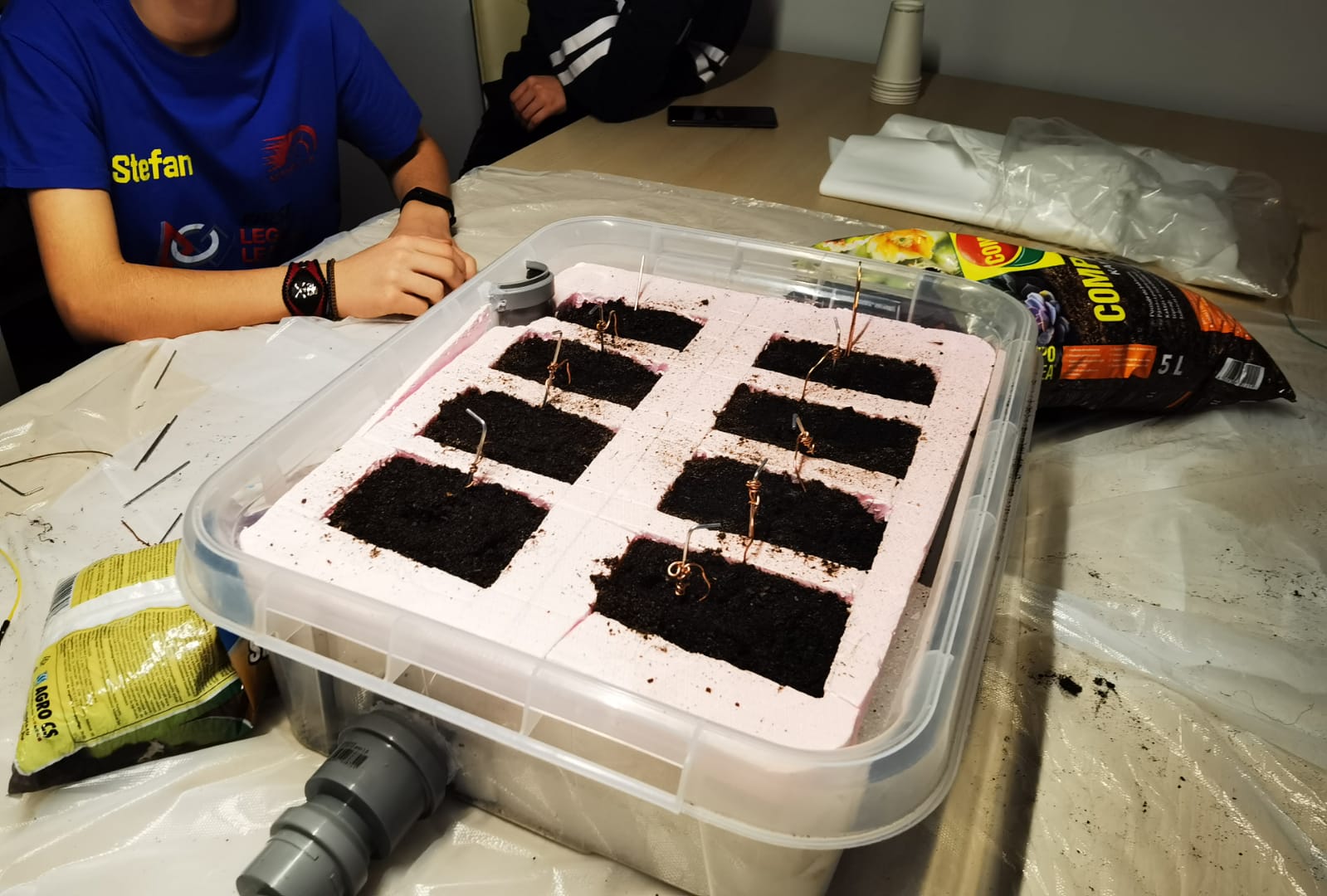
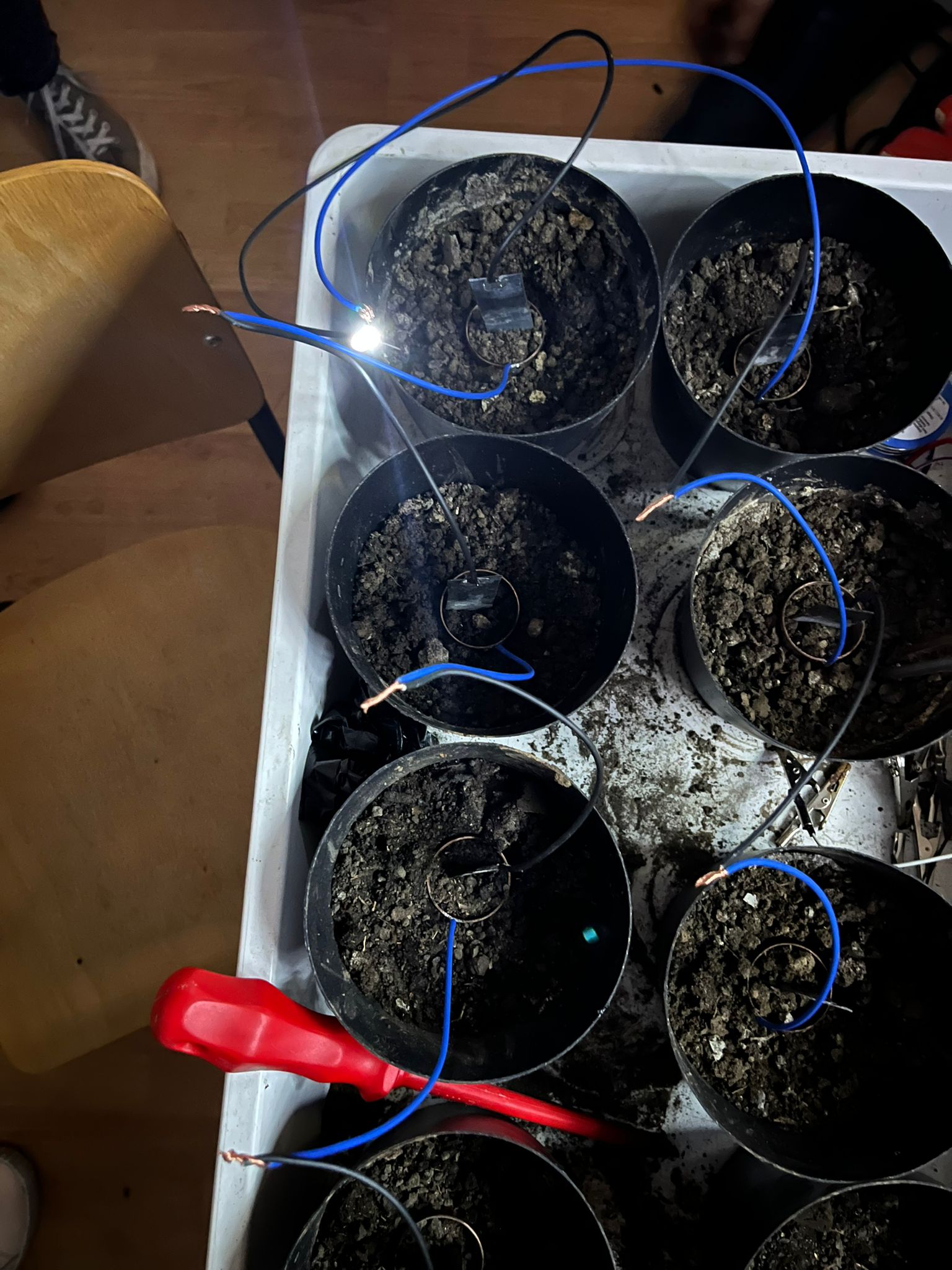
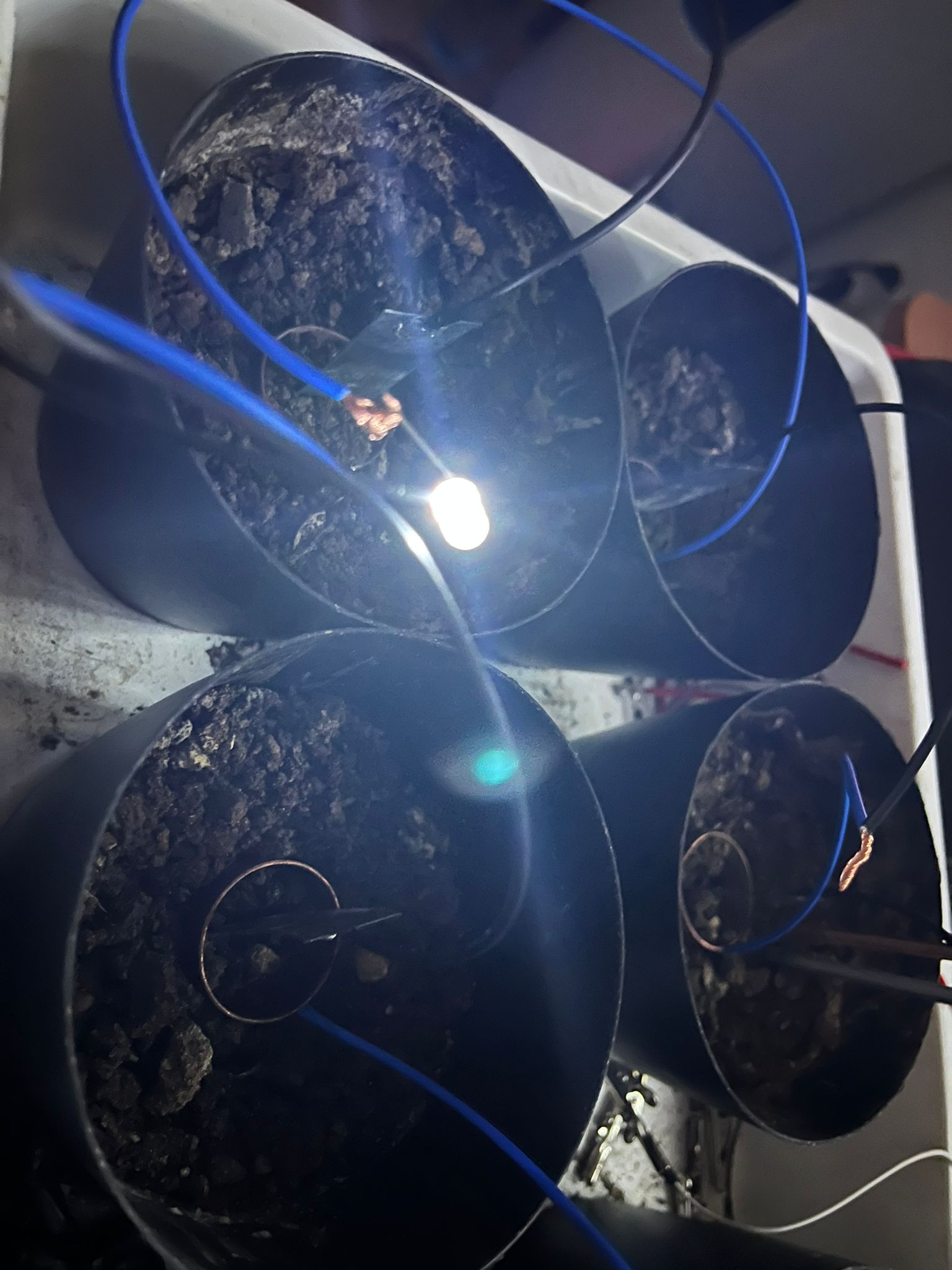
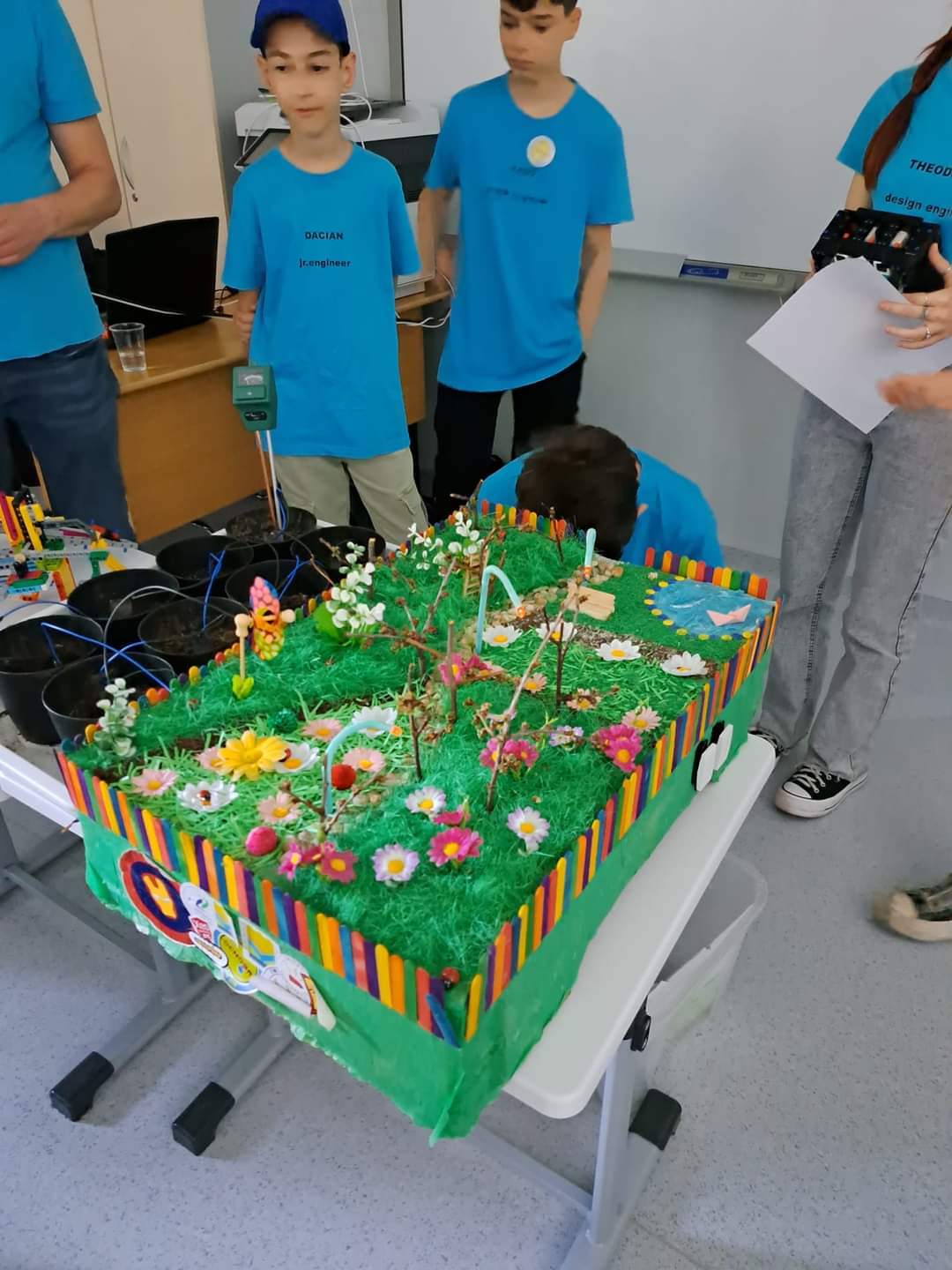
Then we’ve got the idea! The park near to our robotics club is currently illuminated with solar power. During seasons when sunlight is limited, the light is insufficient. Therefore, we have been searching for an alternative solution to illuminate the public spaces. At the heart of our project lies the Earth Battery. For our first prototype we used soil for flowers bought from DIY Store. We’ve then installed the coper cathodes and zinc anodes. Contrary to our expectations, it didn’t work. We were disappointed, thinking that similar projects on youtube were fake. We’ve let the model in a corner, thinking about other project ideas. After a week or so we’ve seen that the LEDs was starting to lighten. What sorcery is this? We’ve asked ourselves.
We’ve called the chief alchemist, Cristina Todasca, vicedean of Chemical engineering and biotechnology Faculty. She explained to us that we’ve created a Micro Bacterial Reactor.
It harnesses the natural power of bacteria and fungi in the soil to generate energy. The Microbacterial Reactor works by creating an exchange of electrons between zinc and copper electrodes. This electron exchange generates electric current, which can be used to power lighting systems.
Throughout our experimentation phase, we faced challenges, but we also made significant progress. We refined the Microbacterial Reactor design, making improvements to enhance its performance and efficiency.
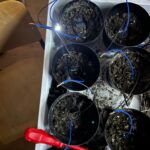
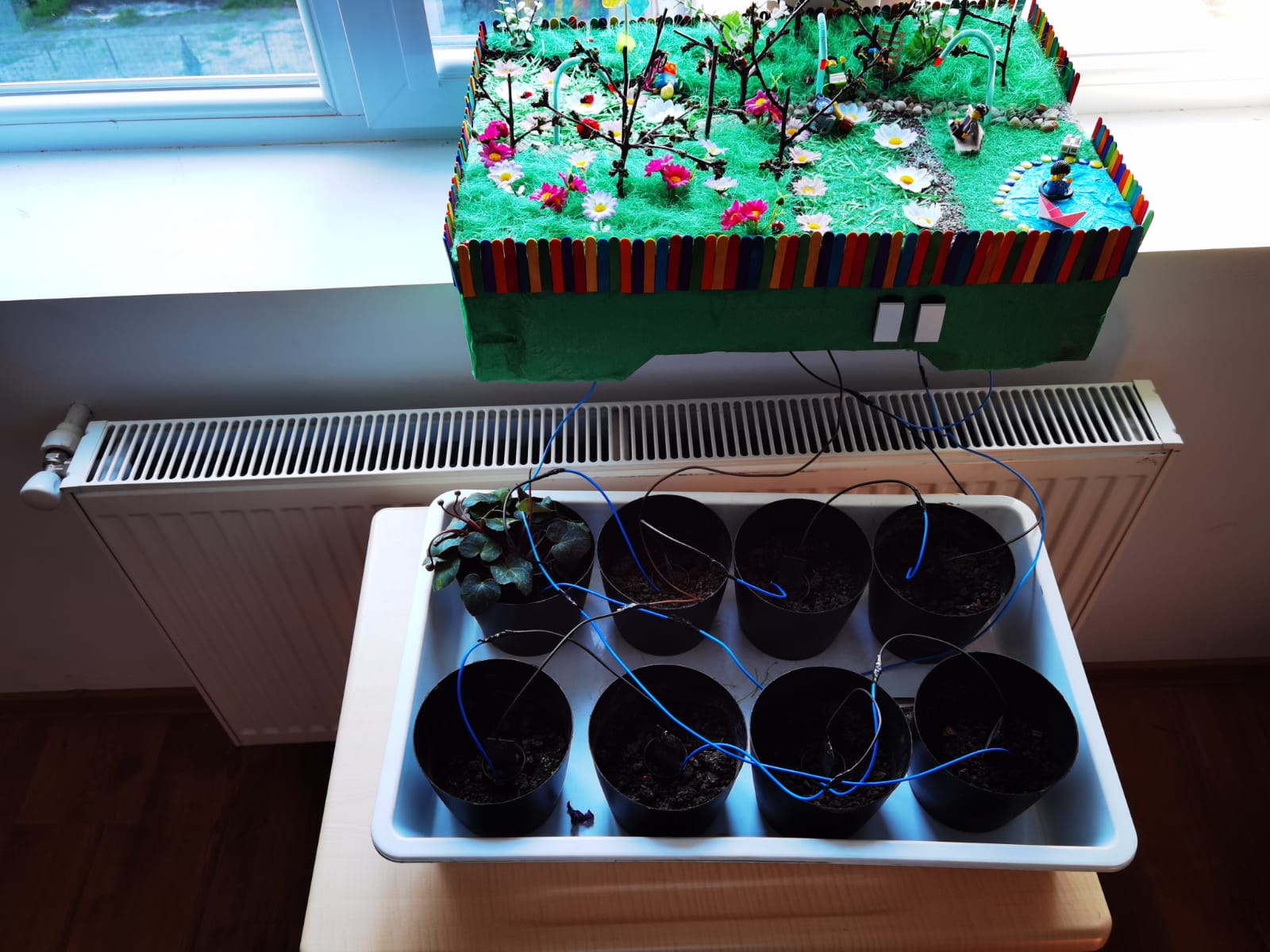
This initial prototype generated 0.2 Ampers intensity and 5-6 Volts (electric voltage). While running the tests, we’ve discovered that by increasing the surface of the cathodes (especially the zinc), we proportionally increase the intensity of the system. Also, it works better during autumn and winter, because of the mold in the soil. Our prototype has been working for 4 months. We used various methods to disseminate information, including social media campaigns and public demonstrations, such as Astrofest, the Scientists Night and an Erasmus project where we presented Earth ON in front of teachers from various countries. We have disseminated this project in 5 schools (our schools) in Bucharest and with other FLL teams from Romania and other countries. In 2019, our team participated in the First Lego League in Lebanon. Where we befriended multiples teams. As a result, this year, Zara, a member of the Tic-Tac-Toe team, the Lebanon championship award, has been providing us with valuable advice to follow for the international competition. We have also identified potential partners and beneficiaries who share our vision for a greener future.
We present our project to our local District 6 Bucharest City Hall and the Mayor has shown great interest in its implementation.
The most important recognition came from the Ministry of Research, Development and Digitalization of Romanian Government which granted our project with Henri Coanda scholarship in amount of 20.000 euros (aprox 22.000 american dollars).
Our goal is to implement our project in parks to innovate the lighting in public spaces in our city. And we have the mayor’s support in this direction.
Thank you all for listening! With your support, we can make Earth ON a shining example of sustainability, illuminating our world with clean, renewable energy. Together, we can create a brighter future for generations to come!.
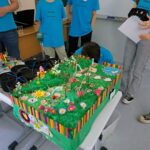
Working at the model